81. Eclectic Bullet #2

>> Click Here to Listen to the Episode! <<
(Right click and “save as” to download the file)

Or Listen in iTunes!

 
Andy brings another eclectic bullet episode that touches on public prayer with mixed religious adherents and how Christians should respond when put such a situation, the Women’s March, the March for Life, the messages of the movie Boyhood, and the reality of La La Land.

First Topic: Trump’s Inauguration – Praying with Adherents of Other Religions in Public

Second Topic: The Women’s March Compared to the March for Life in the Media

Third Topic: Boyhood – A Very Real Depiction of How Broken Families Impact Children and the Need we all have for God’s Design for Marriage and Family

Fourth Topic: La La Land – Being a Shooting Star without God is Meaningless, Hopeless, and Unfulfilling

80. Common English Sayings From The Bible

>> Click Here to Listen to the Episode! <<
(Right click and “save as” to download the file)

Or Click Here to Listen in iTunes!

leopard-cant-change-its-spots
“Can a leopard change its spots?” – Jeremiah 13:23

Ellie, Robby, and Andy discuss some common English sayings that originate from the Bible!  They were all shocked to see many of these phrases to be from the Bible.  Andy for instance thought, “Can a leopard change its spots?” came from a Dr. Seuss book and that “how the mighty have fallen” was somehow a reference to “Mighty Casey at Bat”.  They discuss which ones they hear most often, which ones they use the most personally, and how we could take advantage of the Biblical origin of these common sayings for the purpose of evangelism, or at least take advantage of the easy opening to be able to naturally turn a conversation towards God’s Word!  A few of these sayings are virtually incomprehensible apart from the Biblical context, so Christians can really take advantage of the popularity of such Biblical phrases in our day to day conversations.

Please leave some feedback in the comments section about your thoughts on using this approach to steering a conversation towards Christ and his Word.

Also please, check out the show links to see the list of common saying Andy, Ellie, and Robby were using, as well as to get a visual on who Ellie and Robby are and more about what they do in their service to their neighbors.

Show Links

“37 Common English Sayings Originally From the Bible” by Kevin Halloran

Ellie’s Individual, Couples, and Family Therapy Website

Coach Robby Cherry – Crean Lutheran High School Cross Country Webpage

Andy’s Book – Contradict – They Can’t All Be True

78. Evidence for the Christmas Star

>> Click Here to Listen to the Episode! <<
(Right click and “save as” to download)

Or Listen in iTunes!

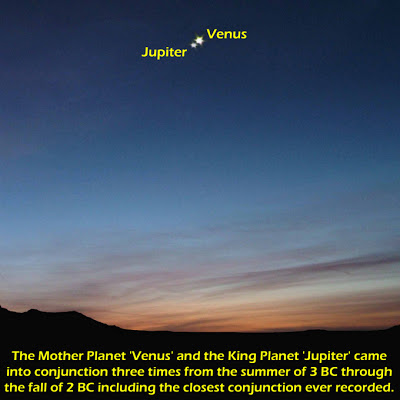
venusjupiterconj
“After Jesus was born in Bethlehem in Judea, during the time of King Herod, Magi from the east came to Jerusalem and asked, “Where is the one who has been born king of the Jews? We saw his star in the east and have come to worship him.”
(Matthew 2:1-2)

This star is often depicted as a bright, roaming globe that shines a spotlight directly on the house of Mary and Joseph for the magi to follow.  If this star actually appeared in this fashion, wouldn’t it be obvious to everyone, not just wise men from the east who studied the stars?  If this star didn’t exist, what would that mean for the truthfulness about the entire Gospel narrative?  Is there evidence outside of the Bible that this star existed?

These questions prompted Andy Reese to dig deep into astronomy, historical records, and the bread crumbs left in God’s Word concerning the historicity of this special star phenomenon.  In this episode he will answer these questions and many more.

Andy Reese is a church leader, teacher, and writer.  His website is andyreese.org.

Show Links:

Andy Reese’s Website

Magi – The True Story of the Star of Bethlehem – Video

A Christmas with the Stars – Video

77. Seeing Christ in Your Christmas

>> Click Here to Listen to the Episode! <<
(Right click and “save as” to download the file)

Or listen in iTunes.

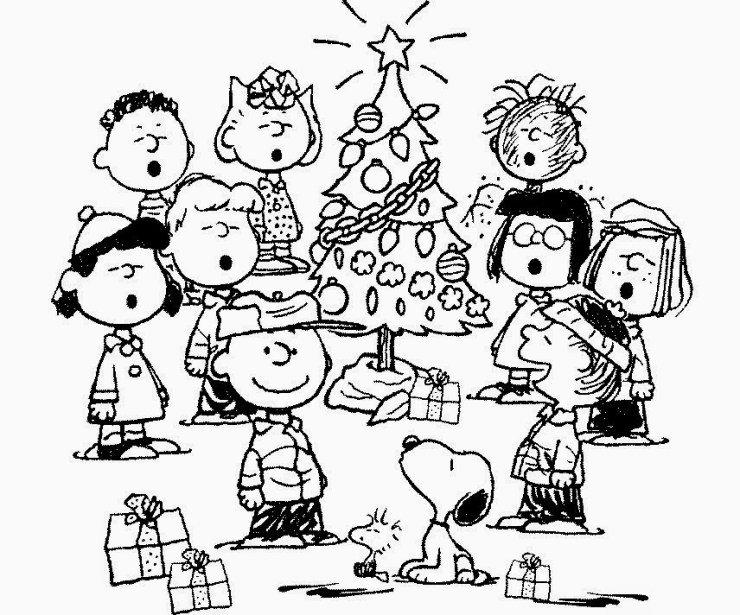
charlie-brown-christmas

In the first segment, Andy shares his article, “Seeing Christ In Your Christmas,” and in the second segment, John Campbell discusses why Christians shouldn’t worry about celebrating Christmas out of fear that they are somehow endorsing paganism!  

“Seeing Christ in Your Christmas” by Andy Wrasman

There are many simple ways to see Christ in Christmas.  One way to accomplish this goal is by drawing Biblical parallels with the traditional Christmas tree décor.   As long as Christians are not glorifying pagan beliefs and practices, or bowing at the altar of gluttonous consumerism through our American Christmas tree traditions, then there is freedom in Christ to take what has become a hallmark of the secular world at the time we celebrate the birth of our Lord, and point it all back to Jesus being the reason for the season.  With no plea to reject Black Friday shopping as the day to get your Christmas season started off on the right foot, and with no “Bah Humbug” towards the secular spirit of Christmas, here’s a list to check twice to see Christ this Christmas.

The Christmas tree is an evergreen tree, because it doesn’t lose its needles through the winter.  Using this type of tree points to the eternal life that Jesus Christ offers to the world.  Jesus is the one who was, and is, and is to come! (Revelation 4:8).  The Christmas tree also harkens us back to the tree upon which Christ was slain, the tree by which eternal life has been given to the world. (Galatians 3:13)

The traditional tree toppers – a bow, an angel, or a star – all point to the Christmas tree representing Jesus.  Bows adorn gifts, and the coming of Christ into the world is a reminder that the Father gave Jesus as a gift out of his great love for us. (John 3:16) At Jesus’ birth, Luke records a great multitude of angels proclaiming the Good News of his arrival to shepherds who watched over their flock at night.  (Luke 2:8-18)  Matthew tells of wise men traveling from the east, following a star to the birth place of the awaited Messiah (Hebrew for Christ).  (Micah 5:2, Matthew 2:1-12)

The wise men from the east, who followed the star of Christ, brought gifts of gold, frankincense, and myrrh, valuable gifts that were common to give to a king.  If the Christmas tree is seen to represent Christ, the gifts at the foot of the tree draw us back to the gifts the wise men laid before baby Jesus as they worshiped him.  (Matthew 2:11)  Our gift giving at Christmas should serve to remind us that as we give to others who are in need, we are giving to Jesus.  (Matthew 25:34-40)  And if the gifts at the tree are seen to have come from Santa Claus, an all-knowing, all-loving, apparently all-powerful, and never dying father-figure who cares for children, it should point us to the true gift-giver, God our heavenly Father.  (James 1:17)

The lights that are held up by being draped across the Christmas tree’s branches are a final touch that point back to Christians, the Church.  John begins his Gospel biography of Christ by saying that in Jesus “was life, and the life was the light of men” (John 1:4, ESV).  The light of Jesus shines in the darkness of this sin cursed world.  (John 1:5)  The light of Jesus enlightens men as to who God is.  (John 1:9) Later in his Gospel, John directly quotes Jesus as having said, “I am the light of the world.  Whoever follows me will not walk in darkness, but will have the light of life” (John 8:12).  As Christians know the Lord through Jesus, and possess eternal life and the light of Christ, we become just what Jesus calls us in his Sermon on the Mount, “the light of the world” (Matthew 5:14).

When we look at the Christmas tree, we are reminded that Jesus became flesh and dwelt among us.  The Light of the World has revealed himself, lighting the path to eternal life.  As Christians are connected to Christ, we shine the light of Christ into a fallen world.  The Church that is spread out across the world, and is still growing, shines as many dispersed beacons of hope in a fallen and depraved world.  Jesus came, died for our sins, rose for our salvation, and is patiently waiting for more to come to know of his love and grace.

This Christmas, remember that Jesus came once with angels and with a star as the ultimate gift of God to this world, and Jesus will come again; this time with the entire heavenly host with the falling of all the stars as he returns for his chosen and holy people.  Let’s help the world see Christ this December, as we hold out the Good News of Jesus Christ in all that we say and all that we do in our Christmas celebration.

Show Links:

Life In His Hands Christian Newspaper Issue 8 (Andy’s article is on page 3)

Andy’s book, Contradict – They Can’t All Be True


76. To Sing or Not To Sing?

>> Click Here to Listen to the Episode! <<
(Right click and “Save as” to download the file)

Or Listen in iTunes.

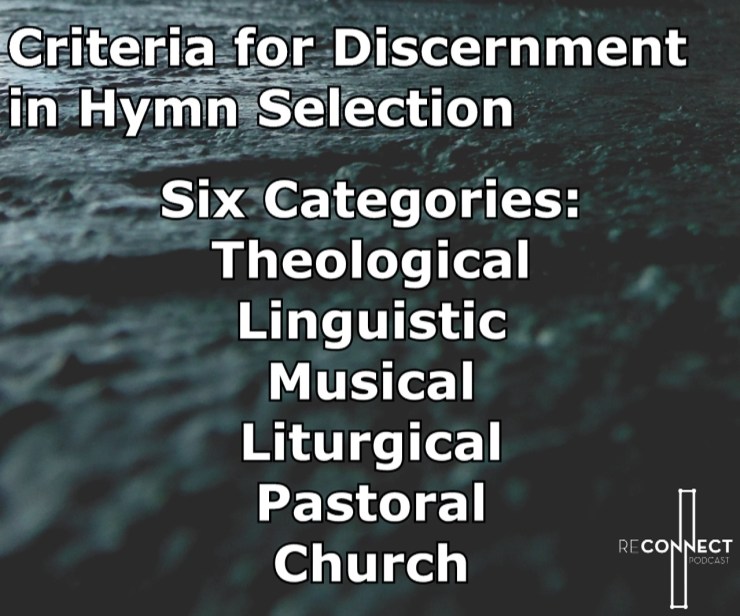
reconnect-episode-76

Should some Christian worship songs and hymns not be song in corporate, public worship?  Are some songs good or at least OK songs, for personal worship in your car driving to work, but not for congregational singing?

Jonathan Pratt says, “Yes!”  He has compiled and edited a list of criteria for discernment in hymn selection.  If you have never asked yourself, “What types of songs are sung in your church’s services and gatherings and why?” this episode of Reconnect is a must listen for you.  If you are a pastor or worship leader in charge of selecting your congregation’s music and you can’t explain why each and every song was picked for the service, and if you do have the answers, but your answers don’t contain theological reasons, you should definitely listen to this episode!

Jonathan Pratt lays out six categories of criteria for song selection in congregational singing while Tyler Dawson and David Pratt critique or confirm Jonathan’s list.  Andy Wrasman for the most part just moderates and asks questions for this episode.

“Criteria for Discernment in Hymn Selection” as compiled and edited by Jonathan Pratt

Theology

Christ-Centered
Biblically Grounded
Proper Distinction Between Law and Gospel
Theology of the Cross

Linguistic

Doctrinal Precision
Poetic Integrity
Corporate Nature of the Text

Musical

Music Serving the Text
Proper Union of Text and Tune
Musical Integrity of Tune and Setting
Churchly Character of the Tune

Liturgical

Church Year and Lectionary Appropriate
Sacramental Focus
Supportive of Daily Devotional Life
Ability of Text and Tune to Withstand Repeated Usage

Pastoral

Catechetical Use
Cultivating Faith and Piety
Provides Comfort to the Believer

Church

Historic Catholicity
Ethnic Catholicity

Show Links

“Criteria for Discernment in Hymn Selection” Compiled and Edited by Jonathan Pratt

To Whom It May Concern – Tyler Dawson’s Website and Podcast

Episode 55: David Pratt on Apologetics

Episode 30: Who is Serving in your Service?

Episode 28: Jesus is my Girlfriend Songs

Table Talk Radio